





Duo Packaging has developed a graphene-enhanced flexible polyethylene film with recycled material content increased to 60%, offering a development for packaging procurement and sustainability assessment. The event date is not specified in the supplied information. Although the announcement identifies no new regulation, standard or certification requirement, analysis suggests that the material could influence how film producers and buyers assess recycled content, processing performance and environmental claims within purchasing specifications.
2DPE Combines Higher Recycled Content with Packaging Performance
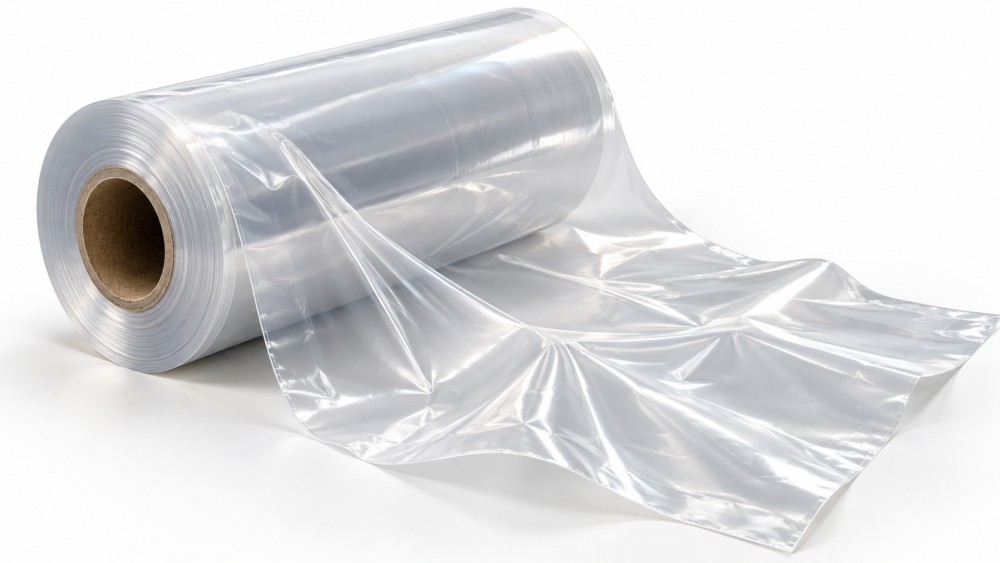
Duo Packaging worked with the University of Manchester’s Graphene Engineering Innovation Centre to develop the graphene-enhanced flexible polyethylene film, known as 2DPE. The supplied summary states that the film increases recycled material content to 60%, lowers the heat-sealing temperature and maintains strong tensile and tear performance.
UK retailer QVC has introduced the film at its fulfilment centres. Its use is expected to reduce virgin plastic consumption by approximately 50 tonnes annually and deliver substantial carbon emissions reductions. These environmental benefits are presented as expectations; the supplied information does not quantify the anticipated emissions reduction.
Purchasing Specifications Could Become the Main Route to Adoption
Film producers may face more detailed performance comparisons
From an industry perspective, the combination of higher recycled content and maintained mechanical performance could encourage buyers to assess these characteristics together. For film producers and converters, this may mean closer scrutiny of material specifications, tensile and tear test results, and sealing performance during supplier qualification. The announcement does not establish an industry-wide acceptance threshold or test standard.
Packaging buyers may seek evidence behind material claims
Analysis suggests that retailers and other packaging purchasers considering similar materials may request documentation supporting recycled content and expected reductions in virgin plastic use. Procurement teams could also examine whether a proposed film meets their own packaging and delivery requirements. QVC’s adoption provides an application example, but does not establish suitability for every buyer or fulfilment operation.
Testing and supply chain partners could support qualification
As a possible consequence of wider evaluation, testing providers and supply chain partners could be asked to help verify performance, material consistency and traceability. Any such work would depend on individual purchasing arrangements and applicable requirements. The supplied information does not identify a new mandatory certification, trade document or market-access condition for 2DPE.
Evidence to Review Before Changing Film Specifications
Check the basis of the 60% recycled-content figure
As a procurement recommendation, prospective buyers should request an explanation of how recycled content is calculated and documented for the supplied film. Supporting material declarations and traceability records could help buyers determine whether the stated content satisfies their purchasing criteria. The input does not specify the recycled material source, calculation method or independent verification status.
Validate sealing and strength under intended operating conditions
For implementation planning, buyers and converters should consider trials that assess sealing performance, tensile strength and tear resistance under their intended operating conditions. A lower heat-sealing temperature may create an opportunity to adjust processing settings, but the supplied information does not provide temperature values, equipment compatibility details or a quantified energy-saving result. These points would need validation before changing production or fulfilment settings.
Keep environmental estimates tied to their assumptions
For sustainability reporting and purchasing decisions, businesses should distinguish expected benefits from measured outcomes. The approximately 50-tonne annual reduction in virgin plastic use relates to QVC’s deployment and should not be treated as a standard saving for other users. Any assessment of carbon benefits would need supporting calculation boundaries, assumptions and operating data; these details are not included in the supplied summary.
Review application requirements and delivery readiness
As a further due-diligence step, buyers could ask for technical documentation relevant to their intended use, alongside information on supply availability and consistency. Any applicable compliance or certification requirements would need separate confirmation. The announcement alone does not establish regulatory approval, certification status, delivery capacity or lead times.
An Adoption Signal with No Confirmed Rule Change
At this stage, it is more appropriate to understand the development as a material innovation with a reported commercial application. The supplied information does not support describing it as the implementation of a new packaging law, recycled-content obligation, certification scheme or trade rule.
Editorial analysis suggests that its relevance to industry rules lies in the evidence buyers may seek when considering changes to packaging specifications. If comparable materials receive wider consideration, recycled-content documentation, performance verification and substantiation of environmental claims could receive greater attention in supplier assessments. This remains a possible procurement response, rather than a confirmed change in industry requirements.
Qualification Will Determine the Practical Value for Buyers
From an industry perspective, 2DPE offers a development to evaluate for businesses seeking higher recycled content while retaining functional film performance. The reported QVC application makes operational experience particularly relevant to subsequent purchasing decisions.
The proportionate response is to assess the material against application needs and request evidence for the claims that matter to procurement. Broader conclusions about compliance acceptance, operating savings or market adoption would require further information. The announcement currently supports consideration of an alternative packaging material, with outcomes dependent on verification and use conditions.
Basis of Reporting and Points for Further Verification
This article is based solely on the news title, event-time information and event summary supplied by the user. The event date was not specified, and no specific official source links were provided. The factual account and subsequent analysis should therefore be checked against primary documentation as it becomes available.
Further verification should focus on company and research-partner announcements, technical data, recycled-content evidence, relevant test reports and feedback from QVC’s implementation. Any later claims concerning regulatory compliance, certification, changes to purchasing specifications or trade requirements would need confirmation through the relevant official documents. Actual virgin plastic savings, carbon outcomes and operating performance also remain important subjects for follow-up.
Related News
- 00
0000-00
Duo Packaging Introduces Graphene-Enhanced Flexible PE Film - 00
0000-00
How to assess a commercial hardware distributor’s delivery reliability - 00
0000-00
264 Chaozhou Firms Showcase Quality Home Products at Canton Fair Phase Two - 00
0000-00
What load tests should a mechanical power transmission manufacturer run? - 00
0000-00
How to compare equipment performance under matching test conditions
Weekly Insights
Stay ahead with our curated technology reports delivered every Monday.