





What Should Buyers Check Before Purchasing Packaging Machinery?
What should I check before buying packaging machinery? Buyers should assess production requirements, pack compatibility, reliability, support, and lifecycle economics before comparing quoted purchase prices.
A packaging machine is not simply a capital purchase. It becomes part of the production line, affecting output, labor, material consumption, delivery performance, and product presentation.
The best choice is rarely the fastest or cheapest model. It is the machine that consistently meets real operating conditions with manageable maintenance and support.
For sourcing managers, plant leaders, distributors, and brand owners, a structured evaluation reduces the risk of buying equipment that performs well only during demonstrations.
Start With the Actual Packaging Requirement
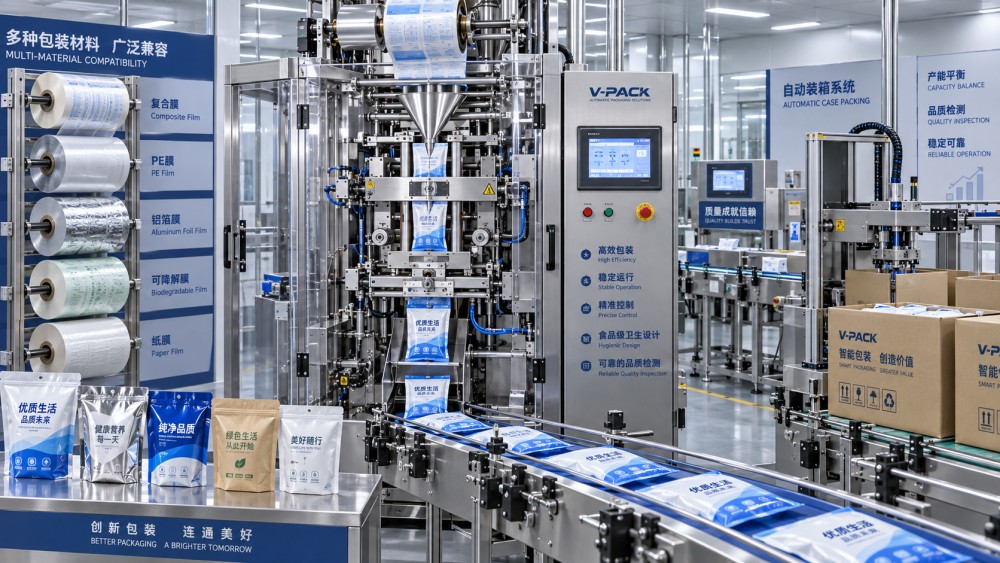
Before reviewing machine catalogs, define exactly what must be packed, how it will be packed, and what production result the investment should achieve.
Packaging machinery should be selected around the product and process, rather than forcing products, materials, and operators to adapt to a standard machine configuration.
Document product dimensions, weight, shape, surface sensitivity, temperature, moisture content, and orientation requirements. Small variations can determine whether automated handling remains stable.
Buyers should also identify the packaging format required for each stock keeping unit, including bags, pouches, cartons, trays, bottles, labels, shrink film, or protective wrapping.
Ask whether the machine must handle one format continuously or multiple package sizes during the same shift. Changeover needs significantly affect machine design and cost.
For food, pharmaceuticals, chemicals, or fragile goods, product-contact materials, hygiene standards, dust control, sealing integrity, and safety requirements deserve early attention.
A clear product specification prevents suppliers from quoting a generic machine that appears suitable but cannot reliably process the full production range.
Include packaging samples in supplier discussions whenever possible. Physical testing reveals issues with film stiffness, sealing behavior, friction, static electricity, and product feeding.
Buyers should state acceptable defect levels before purchasing. This may include seal failures, mislabels, damaged cartons, underfilled packs, wrinkles, or incorrect coding.
Without defined quality criteria, it becomes difficult to judge factory acceptance tests or hold suppliers accountable after installation and commissioning.
Confirm Capacity, Speed, and Line Balance
Machine speed should be evaluated in relation to sustained production, not only the maximum cycles per minute displayed in a technical brochure.
A supplier may quote peak output under ideal conditions using a single product size, experienced operators, perfect packaging material, and no downstream interruptions.
Buyers need to calculate required throughput using realistic daily demand, planned operating hours, shift patterns, expected downtime, and future sales growth.
Consider the difference between nominal speed and effective output. Effective output reflects stoppages, rejected packs, material replacement, cleaning, inspection, and changeover time.
For example, a machine rated at 120 packs per minute may deliver much less when operators replace film rolls or resolve product feeding problems.
Review upstream and downstream equipment as well. A fast filling machine creates little value if labeling, cartoning, palletizing, or conveying becomes the bottleneck.
Line balance matters because packaging systems operate as connected processes. One slow station can restrict total output and create product accumulation or idle labor.
Ask suppliers for an output calculation based on your products and format mix. Require assumptions about uptime, reject rates, operator involvement, and changeovers.
If demand is seasonal, assess whether the machine can handle peak periods without oversized investment. Temporary labor or modular expansion may be more economical.
A realistic capacity model helps buyers avoid two common errors: underbuying equipment that constrains growth or overbuying automation that never reaches planned utilization.
Check Packaging Material Compatibility Carefully
Packaging material compatibility is one of the most important checks before purchasing packaging machinery because material behavior directly affects production stability and pack quality.
Film thickness, coefficient of friction, sealant layer, print registration, roll diameter, core size, and tensile strength can all affect machine settings and performance.
For flexible packaging, verify which films the machine can process, including polyethylene, polypropylene, laminated structures, recyclable mono-materials, paper-based materials, and barrier films.
Do not assume that a machine designed for conventional laminate will run new sustainable packaging materials at the same speed or sealing consistency.
Recyclable films and downgauged materials can have different heat windows, stiffness, slip properties, and web tracking characteristics. These differences may require upgrades or slower operation.
For carton packaging, check board thickness, coating, crease quality, glue requirements, blank tolerances, and print surface sensitivity before finalizing equipment specifications.
Buyers should identify approved packaging suppliers and provide representative materials for trials. Testing only supplier-provided material can hide compatibility risks.
Ask whether the machine uses standard forming parts, sealing jaws, guides, feeders, or rollers. Proprietary components may increase future replacement costs.
Material waste should also be measured. Poor web control, incorrect cutting positions, unreliable sealing, and rejected packs can quickly erase savings from lower-cost packaging materials.
A well-designed machine should support consistent use of available materials while allowing reasonable adjustment as packaging regulations, sustainability targets, and supplier options change.
Choose the Right Level of Automation
Automation should solve a defined operational problem, such as labor shortages, repetitive handling, quality inconsistency, throughput limits, traceability requirements, or workplace safety concerns.
Fully automatic packaging systems can reduce manual work, but they also require reliable product flow, skilled maintenance, spare parts availability, and disciplined operating procedures.
Semi-automatic equipment may provide a better return where product variety is high, batch sizes are small, or frequent format changes make full automation inefficient.
Buyers should map every task around the machine, including loading, feeding, inspection, coding, material replacement, rejection handling, case packing, and pallet movement.
This process map reveals whether automation removes a genuine constraint or simply moves labor from one station to another without improving overall productivity.
Consider operator ergonomics in addition to labor counts. Repetitive lifting, awkward reaches, sharp materials, hot sealing areas, and fast-moving components can create safety risks.
Modern machines may include servo control, vision inspection, automatic film splicing, recipe management, remote diagnostics, and data collection. Each feature should have a practical business case.
More technology is not always better. Complex controls can increase training requirements and delay repairs when local technicians lack the necessary software knowledge.
Ask how many operators are needed during normal production, format changes, cleaning, startup, and fault recovery. Labor requirements often differ from sales presentations.
Select automation that matches the plant's management capability, maintenance maturity, production volume, and willingness to invest in training and standardized work practices.
Evaluate Reliability, Maintenance, and Spare Parts
Downtime is usually more expensive than the original purchase price. Buyers should investigate reliability before signing a contract, especially for high-volume or time-sensitive production.
Ask suppliers for expected availability, recommended preventive maintenance intervals, common wear parts, average service response times, and references from comparable installations.
Availability should be discussed clearly. It usually measures the percentage of scheduled production time during which the machine is capable of running.
Request a list of components requiring regular replacement, such as belts, bearings, blades, sealing elements, sensors, pneumatic parts, and vacuum cups.
Understand whether critical components are globally available or must be ordered from a single manufacturer. Long lead times can turn minor failures into major production losses.
Maintenance access matters in daily operation. Guards, panels, electrical cabinets, lubrication points, and cleaning areas should be easy to reach without excessive disassembly.
Buyers should inspect machine construction, frame rigidity, wiring quality, safety guarding, pneumatic layout, and component brands. These details often signal long-term maintainability.
Ask whether controls use recognized industrial brands and whether local technicians can access documentation, passwords, electrical drawings, parameter backups, and fault histories.
A preventive maintenance plan should be included in the purchase decision. It should define daily checks, weekly tasks, periodic inspections, lubrication, calibration, and replacement schedules.
For critical production lines, purchase an initial spare parts package. The package should cover high-wear and high-risk items based on the supplier's operating experience.
Calculate Total Cost of Ownership, Not Just Purchase Price
The initial quotation is only one part of the investment. Total cost of ownership provides a more useful comparison between packaging machinery options.
Include installation, freight, import duties, site preparation, electrical work, compressed air, guarding, conveyors, operator training, validation, spare parts, and commissioning expenses.
Operating costs include energy consumption, air use, film waste, rejected packages, labor, maintenance, cleaning supplies, tooling changes, and unplanned downtime.
Two machines with similar purchase prices may have very different lifetime economics when one uses more packaging material or requires frequent specialist service visits.
Energy use deserves attention, particularly for heat-sealing, shrink-wrapping, compressed-air systems, vacuum equipment, and continuously operating conveyors. Request measured consumption data where possible.
Calculate payback using conservative assumptions. Base the estimate on verified labor savings, reduced material losses, improved output, lower defects, and expected maintenance costs.
Do not count theoretical savings that depend on unrealistic uptime or immediate demand growth. A credible return-on-investment model includes a margin for implementation risk.
Buyers should also consider resale value and future adaptability. Standard machine platforms with widely used components may retain value better than highly customized equipment.
Where financing is involved, compare payment terms, warranties, service contracts, and expected cash flow. The lowest monthly payment may not represent the lowest total commitment.
A disciplined ownership-cost comparison gives management a stronger basis for approving capital expenditure and defending the decision after the machine enters production.
Assess Supplier Capability, Service, and Documentation
Packaging machinery performance depends heavily on the supplier's engineering capability, communication quality, and ability to support the machine after delivery.
Evaluate whether the supplier understands your application, asks detailed technical questions, and identifies limitations instead of promising universal compatibility without evidence.
Request customer references from similar industries, package formats, production volumes, and regions. A reference is more valuable when operating conditions resemble your own facility.
Factory acceptance testing should be defined in writing. It should specify products, packaging materials, target speed, quality standards, rejection limits, and test duration.
For international purchases, clarify shipping responsibility, customs documents, installation scope, remote support arrangements, language requirements, and on-site commissioning schedules.
Service support should include response channels, remote diagnostics, local technicians where available, escalation procedures, software access, and spare parts delivery commitments.
Review the warranty carefully. Confirm what is covered, which exclusions apply, when coverage starts, and whether travel expenses are charged during warranty service.
Complete documentation is essential for reliable ownership. Require operating manuals, electrical drawings, pneumatic diagrams, parts lists, safety information, maintenance instructions, and software backups.
Suppliers should also provide training for operators and maintenance teams. Training must cover normal operation, product changeovers, cleaning, troubleshooting, safety, and basic preventive maintenance.
A dependable supplier acts as a technical partner. This is especially important when packaging materials, product specifications, or regulatory requirements may change over time.
Verify Site Readiness and Compliance Requirements
A machine can meet its specifications and still fail to deliver value if the production site lacks the required utilities, space, access, and environmental controls.
Confirm available floor space, ceiling height, maintenance clearance, loading routes, drainage, lighting, ventilation, and access for material rolls, cartons, tools, and service personnel.
Check utility specifications early, including voltage, frequency, phase, electrical load, compressed-air pressure, air quality, water supply, gas supply, and extraction requirements.
For regulated applications, confirm applicable standards before placing the order. Requirements may involve food-contact compliance, sanitation, cleanability, traceability, machine safety, or explosion protection.
Packaging and printing operations may also require controls for dust, solvent vapor, static discharge, noise, heat, or combustible materials depending on the process.
Review safety features such as emergency stops, interlocked guards, light curtains, safe access points, lockout provisions, and operator instructions in the working language.
Site acceptance testing should follow installation. It verifies that the machine achieves agreed performance using actual production conditions, local utilities, operators, and packaging materials.
Planning these requirements before delivery avoids expensive modifications, delayed startup, and disputes about whether poor performance results from equipment or site conditions.
Use a Structured Buying Checklist Before Approval
Before approving a packaging machinery purchase, compile technical, financial, operational, and supplier information into one decision document for all stakeholders.
The checklist should compare product compatibility, sustained output, material performance, automation scope, maintenance needs, utility demands, safety compliance, service capacity, and ownership cost.
Assign clear acceptance criteria for the factors that matter most. For many buyers, these include output stability, changeover time, seal quality, material waste, and support response.
Use weighted scoring when comparing several suppliers. Weight reliability and application fit more heavily than cosmetic features or small differences in quoted machine speed.
Involve production, engineering, quality, maintenance, procurement, finance, and safety teams early. Their combined input exposes risks that a single department may overlook.
Buyers should avoid rushing because of promotional pricing or supplier delivery pressure. Packaging machinery decisions affect operations for years, not merely one purchasing cycle.
The strongest investment decision is based on verified trials, documented assumptions, realistic economics, and a supplier relationship capable of supporting long-term production requirements.
Conclusion
Buyers asking what to check before buying packaging machinery should begin with real packaging needs, then test capacity, material compatibility, reliability, supplier support, and total ownership cost.
Price remains important, but it should not dominate the decision. A lower-cost machine becomes expensive when it creates waste, downtime, poor pack quality, or excessive labor.
Well-selected packaging equipment improves throughput, protects product quality, supports consistent branding, and gives manufacturers greater control over operating costs and future production growth.