





Systemiq and Earth Action have jointly launched the Packaging Data Hub, an analytical platform designed to address inconsistent statistics on post-consumer plastic waste. The platform provides comparable recycling data for 12 plastic packaging formats across 50 countries and has received broad support from industry leaders.
The initiative addresses a practical problem for organizations trying to understand what happens to plastic packaging after consumers use it: recycling figures are more useful for comparison when the underlying data can be assessed on a consistent basis. By bringing country and packaging-format data into a shared analytical platform, the hub could help users examine differences that are difficult to interpret when statistics are compiled under differing approaches.
Its immediate significance is therefore in the way recycling information can be compared and discussed. Whether that leads to changes in packaging decisions or measurable improvements in recycling will depend on how the data is used and how it relates to conditions in each market.
What comparable data can add
A figure described as a recycling result does not necessarily answer every question a user may have about a packaging format. The way waste and recycling activities are defined, measured and reported matters when comparing results. If two figures rely on different boundaries or definitions, a numerical difference alone may not show the full difference in outcomes.
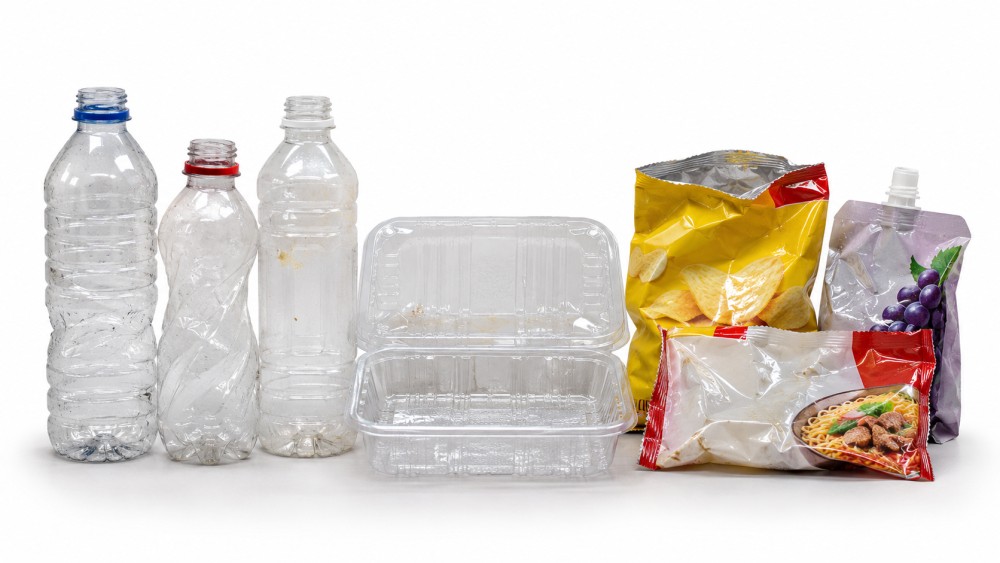
The Packaging Data Hub is intended to address this comparability challenge for post-consumer plastic packaging. Its coverage across 50 countries and 12 formats gives the platform a defined scope for analysis. For users, that creates an opportunity to look beyond a single overall figure and consider how results vary by location and packaging format.
That distinction matters because a broad comparison can obscure differences within it. A packaging business examining one format across several countries may need a different view from an organization comparing several formats within one country. A shared data framework could make those questions easier to pursue, provided users understand the definitions and limitations behind the figures.
Comparability should not be confused with proof that every country or format has identical reporting conditions. The practical value of a comparison will depend on how the platform handles differences in measurement and on how clearly users can interpret the resulting figures.
Where the data could influence decisions
Packaging producers and users may be among the first groups to examine the platform for insight into how different formats are represented across markets. Comparable data could help them frame questions about the relationship between a packaging choice and its potential end-of-use pathway. It could also provide a more consistent starting point for discussions with other organizations involved in packaging and waste management.
For organizations assessing recycling performance, the platform may be useful as a common reference point. Instead of treating figures from different sources as directly equivalent, users can examine whether a comparison is being made on a consistent basis. That could make discussions about progress more precise, particularly when the same packaging format is considered across multiple countries.
Those uses remain conditional. A recycling figure alone does not establish why a particular result occurs or identify a single action that would improve it. Decisions about packaging design, collection or processing would still require attention to the circumstances behind the data. The hub can support those discussions; its launch does not by itself demonstrate that any particular decision or outcome has changed.
The backing of industry leaders is relevant because a shared data resource is more likely to shape discussion when organizations are willing to engage with it. Support, however, is distinct from adoption. Its wider effect will depend on whether businesses and other users incorporate the data into their analyses and whether they use it consistently when making comparisons.
What to watch as the platform is used
One question is how clearly the platform explains the measures behind its comparisons. Users will need to understand what each reported figure represents and how differences between countries and formats are treated. Clear definitions can help prevent a comparable dataset from being read as an explanation of every local recycling outcome.
Another is the relationship between the hub's stated scope and the questions users bring to it. Coverage of 50 countries and 12 plastic packaging formats provides a substantial basis for comparison, but a particular user's needs may depend on a specific market, format or level of detail. The usefulness of a result will depend on whether the available view matches the question being asked.
Over time, the most meaningful indication of the platform's influence will be how its data is applied: whether it helps organizations discuss recycling performance on more consistent terms, identify questions that need closer examination and make comparisons with appropriate context. The launch establishes a tool for that work; its effect on packaging circularity will emerge through subsequent use.
Contact Us
Got questions about global market dynamics or seeking best practices for your expansion strategy? Drop us a line below, and let the experts at Global Market Feed help you out.
“We respect your privacy. Your information is strictly confidential.”
Related News
- 00
0000-00
International Paper Executive Sees Tough 2027 as US Containerboard Supply Stays Tight - 00
0000-00
How to assess an industrial finishing materials supplier’s consistency - 00
0000-00
AF&PA October Report: Packaging Paper Shipments Flat, Bleached Operating Rate Falls - 00
0000-00
What drives the cost of de-plasticization in packaging? - 00
0000-00
How to choose the right wedge anchor size for concrete
Weekly Insights
Stay ahead with our curated technology reports delivered every Monday.