





The supplied account of Pack Expo in October 2026 describes GS1 representatives urging the global packaging industry to accelerate its transition to 2D barcodes ahead of the Sunrise 2027 target. The development concerns packaging suppliers, brands and retailers because demand for supply chain data and consumer interaction is encouraging adoption even where participation remains voluntary. From an industry perspective, the practical issue is how this transition could translate into customer specifications, packaging procurement decisions and delivery expectations.
GS1 Links the Packaging Transition to Sunrise 2027
According to the supplied event summary, GS1 representatives at Pack Expo said they were accelerating efforts to move the global packaging industry toward 2D barcodes in preparation for the 2027 Sunrise target.
The summary states that the transition remains voluntary in some sectors. It also identifies retailer and brand demand for supply chain data and consumer interaction as factors encouraging businesses to adopt the technology.
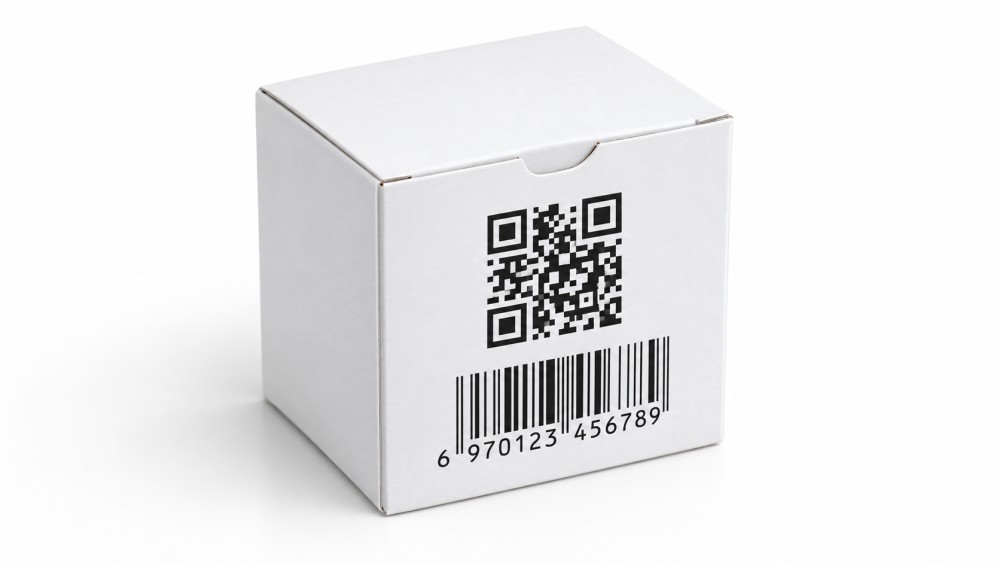
Customer Expectations Could Shape Packaging Requirements
Analysis suggests that the distinction between an industry target and individual customer requirements deserves close attention. Voluntary participation in a sector does not, by itself, establish what a particular buyer may request. The supplied information does not specify binding implementation rules, contractual conditions or acceptance criteria.
Brands and Retailers May Need to Define Their Data Expectations
From an industry perspective, brands and retailers considering adoption may need to clarify what supply chain information and consumer interaction they expect the packaging to support. Those choices could influence packaging briefs, supplier discussions and approval procedures. Businesses should therefore verify the requirements of each relevant customer rather than assume that the Sunrise 2027 target provides a complete purchasing specification.
Packaging Suppliers Could Face Changes to Approval and Delivery Work
For packaging manufacturers and suppliers, potential effects could arise when customers request changes to packaging artwork or barcode arrangements. Analysis suggests that such requests may require coordination across production planning, sample approval and delivery scheduling. The supplied account does not establish a universal requirement to replace existing packaging or demonstrate that particular production changes have already occurred.
Supply Chain Partners May Need Clearer Responsibilities
Supply chain service providers could be affected if customers expect information accessed through 2D barcodes to support their workflows. As a preparation measure, participating businesses could clarify who supplies, checks and maintains the relevant data. These are possible coordination needs, rather than confirmed obligations described in the supplied summary.
Preparation Starts With Customer Specifications and Verification
Establish What Each Buyer Actually Requests
Companies considering a transition should distinguish the Sunrise 2027 target from any documented customer deadline or purchasing condition. A practical review could examine packaging specifications, purchase terms and approval documents to identify whether a buyer has communicated a concrete requirement. The supplied information does not establish a new legal deadline, certification scheme or trade restriction.
Check Packaging and Data Readiness Together
Analysis suggests that preparation should consider both the packaging change and the information it is intended to support. Businesses could assess proposed artwork, data responsibilities and customer verification needs before committing to a production change. Any testing or acceptance process should be confirmed with the relevant parties because the supplied account provides no technical criteria.
Align Procurement Decisions With Confirmed Milestones
Where adoption is being considered, companies could review packaging procurement plans, approval lead times and existing inventory against confirmed customer expectations. This may help identify potential scheduling conflicts. It would be premature, however, to infer a common replacement schedule or a mandatory equipment purchase from the event summary alone.
An Adoption Signal With Execution Details Still to Verify
Editorial analysis: the supplied account is best understood as a signal of stronger industry efforts to promote adoption around Sunrise 2027. It does not establish that every sector faces an enforceable transition requirement. Its commercial relevance lies in the stated willingness of retailers and brands to adopt 2D barcodes in response to their data and consumer interaction needs.
What deserves closer attention is whether those interests become documented supplier requirements, agreed implementation schedules or defined acceptance procedures. Subsequent statements from GS1 and feedback from participating businesses would help clarify how the target translates into practical execution.
Treat the Target as a Basis for Structured Preparation
On the supplied information, a proportionate response would be to assess readiness, discuss expectations with customers and verify requirements before changing purchasing or delivery commitments. The industry significance is the connection between an adoption target and commercial demand for richer packaging information. The pace and scope of implementation remain matters for continued observation.
Basis of This Article and Points for Follow-Up
This article is based solely on the user-provided news title, event timing and event summary. The supplied material dates the event to October 2026; that date is later than the preparation of this article, so the event account requires verification before publication as a report of a completed event. No specific official source link was included in the input.
Subsequent verification should consult relevant GS1 communications, standards organization documents and attributable event reporting where available. Further observation should focus on implementation guidance, customer purchasing specifications, acceptance criteria, company adoption practices and industry feedback. The recommendations and potential business effects discussed above are analysis, rather than confirmed implementation outcomes.
Contact Us
Got questions about global market dynamics or seeking best practices for your expansion strategy? Drop us a line below, and let the experts at Global Market Feed help you out.
“We respect your privacy. Your information is strictly confidential.”
Related News
- 00
0000-00
GS1 Pushes 2D Barcode Adoption at Pack Expo Toward Sunrise 2027 - 00
0000-00
How does order quantity affect the price of threaded fasteners? - 00
0000-00
Baosteel Packaging Reports Q3 2026 Results: Nine-Month Revenue Up 21.26% to RMB7.98bn - 00
0000-00
How to measure screw hole spacing for replacement cabinet handles - 00
0000-00
Canton Fair: Chinese Ceramics Makers Win Overseas Orders with Original Design
Weekly Insights
Stay ahead with our curated technology reports delivered every Monday.