





The supplied account, dated October 25, 2026, describes Chinese ceramics manufacturers winning overseas orders during the second phase of the 140th Canton Fair through original design and small-batch customization. For exporters, manufacturers and hotel tableware buyers, the development raises practical questions about purchasing specifications, design approval and delivery commitments. However, the information supplied identifies no new policy, regulation, standard or certification requirement. Its relevance to trade rules is therefore an analytical question about how commercial requirements may develop, rather than evidence of a formal regulatory change.
Design and Customization Support Overseas Orders
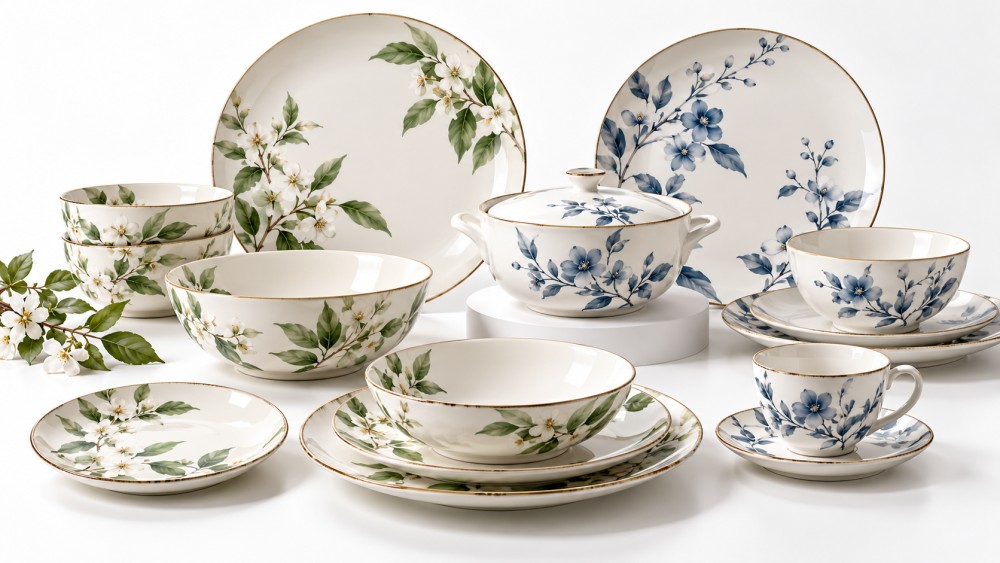
The second phase of the 140th Canton Fair took place under a quality home living theme. According to the supplied account, Chinese ceramics producers attracted overseas buyers and secured orders through varied design styles and strong capabilities in small-batch customization.
The account describes these manufacturers as important suppliers of hotel tableware and related products to domestic and overseas customers. It presents original design and flexible manufacturing as sources of export competitiveness for Chinese craft ceramics.
Purchasing Specifications Deserve Closer Attention
Export negotiations may require more precise design agreements
From an industry perspective, orders influenced by original design may place greater emphasis on how buyers and exporters document approved patterns, shapes and customization requests. Exporters could benefit from checking whether quotations, samples and order specifications describe the same product. This is a potential commercial implication of the reported orders; the supplied account does not establish a new documentation rule.
Flexible production may increase coordination demands
Analysis suggests that manufacturers handling varied designs in small batches may need closer coordination between sample approval, production scheduling and inspection. Changes requested after approval could affect production arrangements or delivery commitments. The report establishes customization capability, but provides no evidence about actual lead times, rejection rates or delivery performance.
Hotel buyers may need clearer repeat-order terms
For hotel tableware buyers and purchasing intermediaries, the reported combination of design variety and customization may broaden sourcing choices. An issue worth assessing is whether a selected design can be reproduced consistently in later orders. Buyers could clarify product specifications, replacement arrangements and acceptance criteria during negotiations. These are procurement considerations, not confirmed changes to industry-wide purchasing rules.
Translate Customization into Verifiable Order Terms
Record the approved design and permitted use
As a practical recommendation, exporters and buyers could retain an agreed design version and record who may use or modify it. Where original designs influence purchasing decisions, clarifying ownership, permitted use and approval responsibilities may help reduce contractual uncertainty. The supplied information does not confirm any intellectual property dispute or new protection requirement.
Check compliance against the actual product and destination
Companies considering export orders should assess which requirements apply to the intended product, use and destination. For hotel tableware, a useful preparatory step would be to confirm whether buyers require supporting test reports or other product documentation. No particular certification, testing method or market access condition is identified in the supplied account, so none can be presented as newly mandatory.
Validate batch size and delivery commitments
Analysis suggests that small-batch customization is most useful commercially when both parties understand the minimum order quantity, sample approval process, production schedule and treatment of subsequent changes. Manufacturers could verify these points before committing to delivery dates, while buyers could check whether repeat orders would require renewed approval. The reported success in obtaining orders does not establish how those orders will be fulfilled.
A Commercial Signal, with No Confirmed Regulatory Shift
At this stage, it is more appropriate to interpret the account as evidence that original design and flexible production helped secure business at the fair. It does not demonstrate that a regulator, certification body or trade authority has changed the conditions for exporting ceramics.
As an editorial observation, the question to follow is whether these purchasing preferences become more explicit in buyer specifications and contracts. Subsequent order execution and industry feedback could help establish whether customization brings additional documentation, approval or inspection expectations. Any claim of a formal rule change would require separate supporting evidence.
Assess Orders Through Specifications and Execution
The reported orders illustrate the commercial relevance of design variety and small-batch manufacturing. For businesses assessing the development, a proportionate response would be to review design agreements, product documentation and delivery commitments against each order. The available information supports attention to purchasing practice and contract execution, while leaving any broader policy or regulatory implications unconfirmed.
Basis of This Account and Matters to Verify
This article is based solely on the news title, event date and summary supplied by the user. Specific official source links were not provided in the input, and the underlying account remains subject to further verification.
Further assessment could draw on official fair communications, trade authority information, industry association material and attributable media reporting, where available. Follow-up should focus on order fulfillment, buyer specifications, industry feedback and any separately documented policy, certification or trade enforcement developments. No such additional material has been treated as a verified source for this article.
Related News
- 00
0000-00
Canton Fair: Chinese Ceramics Makers Win Overseas Orders with Original Design - 00
0000-00
How to find furniture hardware suppliers with low minimum orders - 00
0000-00
140th Canton Fair Phase Two Opens With Nearly 640,000 Green, Low-Carbon Products - 00
0000-00
Can sustainable packaging for food preserve product shelf life? - 00
0000-00
Duo Packaging Introduces Graphene-Enhanced Flexible PE Film
Weekly Insights
Stay ahead with our curated technology reports delivered every Monday.